Honda EV Plant Ontario Suspended 2026: $15 Billion Gamble Goes on Ice
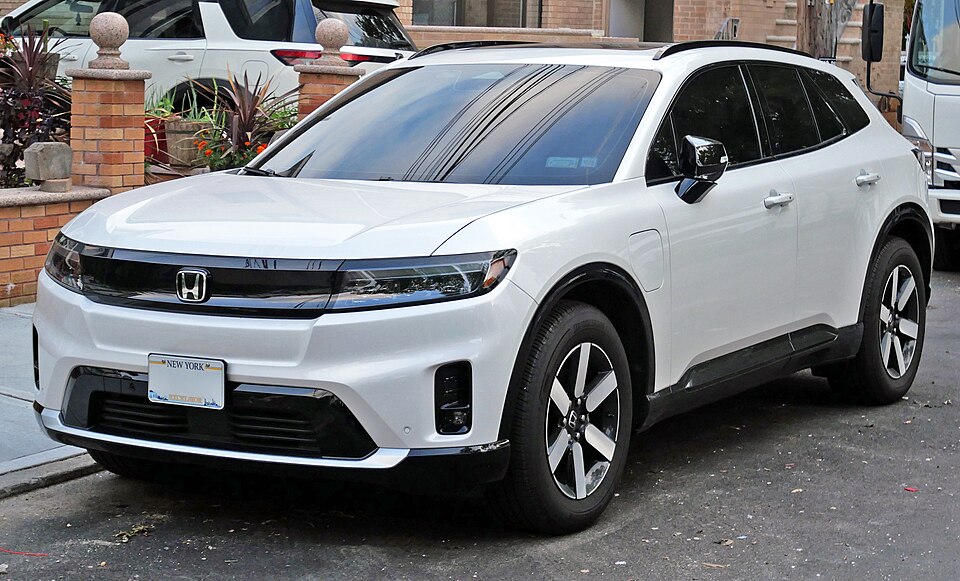
Honda Canada has indefinitely suspended its $15 billion EV plant investment in Alliston, Ontario, originally announced in April 2024. The project would have included Honda's first dedicated EV assembly plant, a standalone battery factory, and roughly 1,000 new jobs. After delaying the project two years in May 2025, Honda has now shelved it entirely. The automaker cited weakening EV demand, U.S. tariff pressures on Canadian auto manufacturing, and shifting customer preferences. Honda simultaneously posted its first-ever full-year loss of $3.68 billion and is pivoting its strategy toward hybrid vehicles. Existing Alliston operations remain unaffected.
This is a seismic reversal. When Honda announced the Alliston EV mega-investment in April 2024, it was the kind of headline that makes politicians applaud and union leaders smile. Fifteen billion dollars. A brand-new EV assembly line. A standalone battery plant. A thousand direct jobs before you even count the supply chain ripple effects. Ontario was about to become a serious player in the North American EV manufacturing race.
Two years later, that vision is frozen. Not downsized, not restructured — suspended indefinitely, which in corporate speak usually means "we'll revisit this when the math stops hurting." And right now, the math is hurting badly.
From Flagship Investment to Indefinite Freeze
The timeline tells the story. In April 2024, Honda made the announcement with considerable fanfare: $15 billion committed to building EV manufacturing capacity in Ontario. This was supposed to be transformational — Honda's first-ever dedicated EV assembly facility, paired with a battery plant that would secure a domestic supply chain for the next generation of electric Hondas sold across North America.
By May 2025, warning signs emerged. Honda delayed the project by two full years, citing "evolving business conditions." That phrase always deserves a raised eyebrow. In the auto industry, it typically means the demand projections that justified the investment no longer hold up against reality. And now, in May 2026, the delay has become an indefinite suspension. The project is off the active roadmap entirely.
A $3.68 Billion Loss Changes Everything
You cannot separate this suspension from Honda's financial results. The company posted a full-year loss of $3.68 billion — the first annual loss in Honda's entire corporate history. Let that register for a moment. Honda has been building cars since 1963. They've weathered oil crises, recessions, earthquakes, and global pandemics without ever losing money on an annual basis. Until now.
When a company that has never posted a yearly loss suddenly loses nearly $4 billion, the entire strategic playbook gets rewritten overnight. Every major capital expenditure goes under the microscope. And a $15 billion bet on pure EV manufacturing capacity — in a market where consumer demand for battery-electric vehicles has softened meaningfully — becomes an extremely difficult line item to defend to shareholders and board members.
The Hybrid Pivot: Reading the Market Honestly
Honda's pivot toward hybrids is pragmatic, even if it feels like a retreat. The reality is that consumer demand for pure EVs has not grown at the pace the industry projected two or three years ago. Range anxiety persists. Charging infrastructure, while improving, remains uneven across North America. And hybrid vehicles — which combine internal combustion with electric assist — continue to sell robustly because they offer fuel savings without requiring buyers to fundamentally change how they use their cars.
This is not a Honda-specific problem. Multiple automakers have pulled back on aggressive EV timelines over the past year. But Honda's situation is compounded by the U.S. tariff environment, which has hit Canadian-built vehicles with additional cost pressures. Building a massive new plant in Ontario only makes financial sense if the vehicles produced there can be sold competitively across the border — and tariffs erode that calculus directly.
Key context: Honda confirmed that current employment and production at its existing Alliston facility remain unaffected. The suspension applies only to the planned new EV assembly and battery plants. Workers at the current Alliston operations are not facing layoffs as a result of this decision.
What This Means for Ontario and Canada's EV Ambitions
Ontario had been positioning itself as a North American EV manufacturing hub. Honda's $15 billion commitment was arguably the crown jewel of that strategy — a signal to other automakers and battery suppliers that the province was serious about competing with Michigan, Ohio, Tennessee, and Georgia for the next generation of auto manufacturing investment.
Losing this project, even temporarily, is a genuine blow. A thousand direct jobs is significant for the Alliston region, and the supply chain jobs that would have followed could have multiplied that figure several times over. Provincial and federal leaders who championed the original announcement will now face uncomfortable questions about whether similar mega-investments are at risk.
The broader issue is structural. If U.S. tariffs continue to make Canadian-built vehicles less competitive in the American market, the entire rationale for expanding auto manufacturing in Ontario weakens. Honda's decision may be the most visible example, but it likely won't be the last automaker to reassess Canadian EV commitments under these conditions.
My Assessment: Honest Retreat, Not Strategic Failure
I respect Honda's decision more than I criticize it. Pouring $15 billion into a pure EV facility when your company just posted its first-ever loss and the EV market is cooling would be reckless. Suspending the project and redirecting resources toward hybrids — where actual consumer demand exists right now — is the kind of sober, market-responsive decision-making that keeps companies alive through volatile transitions.
That said, "indefinite" is the word that should concern anyone who cares about the long-term trajectory of electrification. The EV transition is not cancelled; it is delayed. And every major investment that gets shelved today pushes the industry's readiness further into the future. Honda will eventually need dedicated EV manufacturing capacity. The question is whether Ontario will still be on the table when that time comes, or whether the investment will flow elsewhere.
For now, this is a story about a company choosing survival over ambition. Given a $3.68 billion loss, it is hard to argue they chose wrong.
Frequently Asked Questions
Why did Honda suspend its $15 billion EV plant in Ontario?
Honda cited weaker-than-expected EV demand, evolving business conditions, shifting customer preferences toward hybrids, and U.S. tariff impacts on Canadian auto manufacturing. The company also posted its first-ever annual loss of $3.68 billion, which accelerated the decision to freeze the investment.
When was the Honda Ontario EV plant originally announced?
Honda announced the $15 billion Alliston EV plant investment in April 2024. The plan included a dedicated EV assembly plant and a standalone battery factory, expected to create approximately 1,000 direct jobs in Ontario.
Will Honda's existing Alliston factory be affected?
No. Honda confirmed that current employment levels and production operations at the existing Alliston facility are not impacted by the suspension of the new EV plant project.
Is Honda abandoning electric vehicles entirely?
Honda is not abandoning EVs entirely but is pivoting its near-term strategy toward hybrid vehicles. The indefinite suspension signals a significant shift in priorities while the company reassesses the timeline and scale of its pure EV commitments.
How much money did Honda lose in its most recent fiscal year?
Honda posted a full-year loss of approximately $3.68 billion, marking the first annual loss in the company's entire corporate history. This unprecedented loss was a major factor in suspending the Ontario EV plant.