Google and SpaceX Orbital Data Centers: Project Suncatcher Could Put AI in Space by 2027
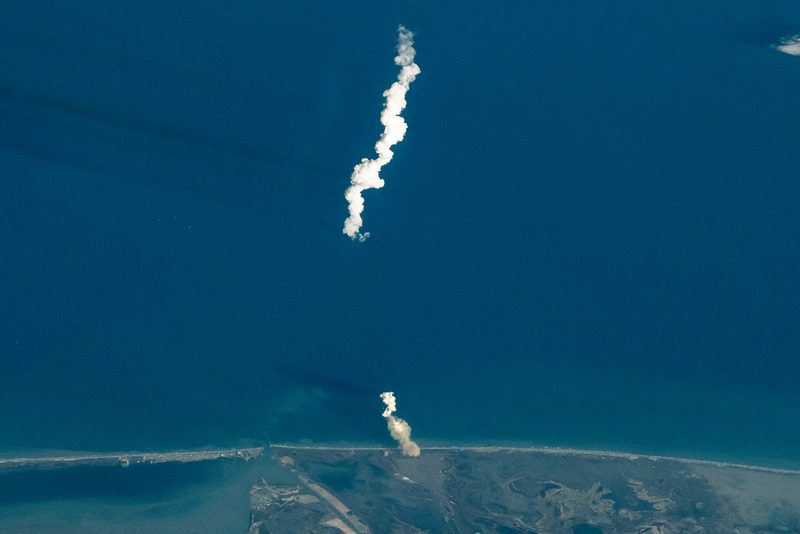
Google is in advanced talks with SpaceX to launch AI data centers into orbit under a project internally called Suncatcher. The plan calls for prototype satellites loaded with Google's TPU chips by 2027. The economics are brutal right now — roughly 3x the cost of ground-based facilities — but if Starship can hit $200/kg to orbit and fly 180 times a year, the numbers start to work.
We're Actually Doing This — Data Centers in Space
I need to say something that I never thought I'd write seriously: Google wants to put server racks in orbit. Not as a publicity stunt. Not as a concept video at I/O. As an actual business strategy with prototypes targeted for next year. Project Suncatcher is real, the negotiations with SpaceX are advanced, and the people involved are the same engineers who built Google's terrestrial TPU infrastructure.
When I first saw this news, my immediate reaction was pure, uncut excitement. This is the kind of moonshot thinking — literally — that makes you remember why technology is thrilling. Then my second reaction kicked in, which was: wait, have these people done the math? Because the math is terrifying.
Let me walk you through both the dream and the reality, because they're both genuinely fascinating.
Why Google Is Running Out of Room on Earth
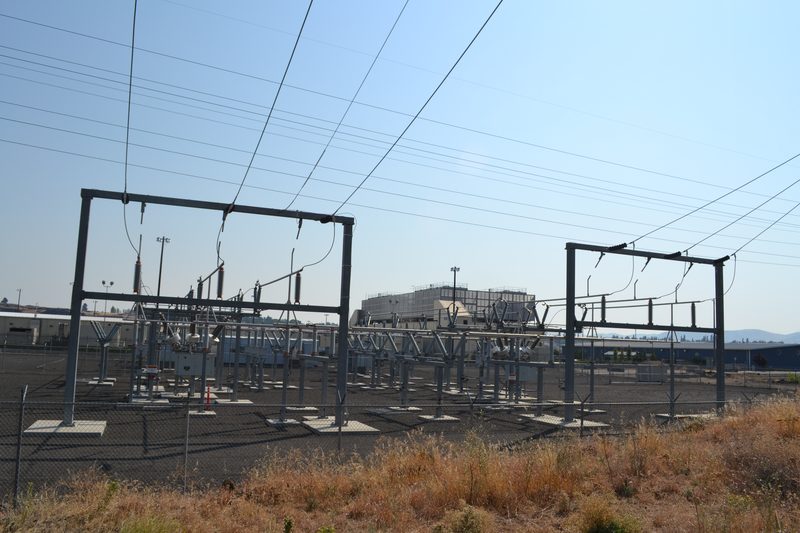
Here's the part that doesn't get enough attention: Google isn't exploring orbital data centers because it sounds cool. They're exploring them because they're running into hard physical limits on the ground. AI training runs consume staggering amounts of power. A single large-scale training cluster can draw hundreds of megawatts — equivalent to a small city. And these clusters need cooling, which means water. Lots of water.
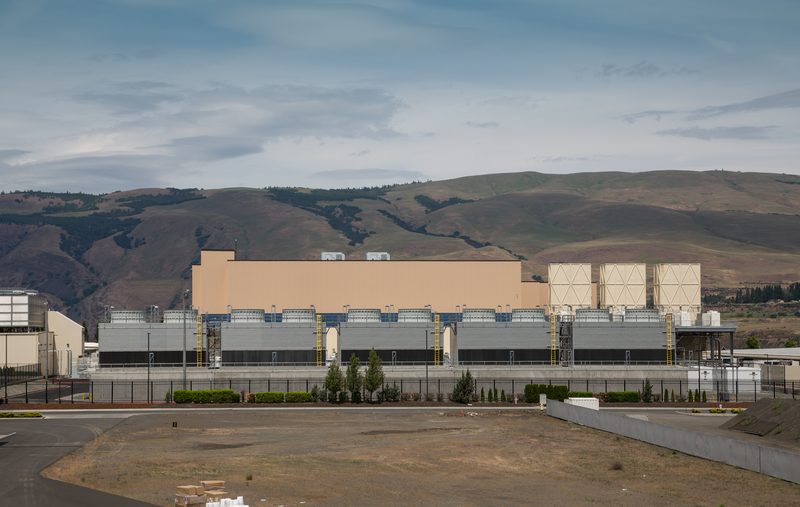
Communities near Google's existing data centers are already pushing back. The Dalles, Oregon — home to one of Google's largest facilities — has been in an ongoing dispute over water usage. Similar tensions are emerging near data center hubs in Virginia, Texas, and across Europe. The power grid itself is straining. Utilities that once welcomed data centers for the tax revenue are now struggling to provide enough electricity.
Space solves the two biggest constraints simultaneously. Solar power is abundant, continuous (no night cycle in the right orbit), and doesn't compete with residential grids. Cooling is essentially free — the vacuum of space is the ultimate heat sink. The problem isn't whether space makes sense as a data center environment. The problem is getting the hardware up there. If you want to understand how Google is approaching AI partnerships on the ground too, our coverage of the Apple-Google Gemini AI partnership shows just how aggressively they're expanding their AI footprint.
| Detail | Info |
|---|---|
| Project Name | Suncatcher (internal) |
| Partners | Google + SpaceX |
| Prototype Target | 2027 (TPU-equipped satellites) |
| Current Cost Premium | ~3x terrestrial |
| Break-even Launch Cost | $200/kg to orbit |
| Required Starship Cadence | ~180 flights/year |
| SpaceX IPO Valuation | $1.75-2 trillion |
The Economics Are Terrifying (and Maybe Solvable)
Let's talk numbers, because this is where my excitement collides with my skepticism. Right now, launching anything to orbit costs roughly $1,500-2,500 per kilogram on a Falcon 9. Starship promises to bring that down dramatically — SpaceX has publicly targeted under $100/kg at full reusability and high cadence. But even optimistic estimates put the near-term cost at $500-800/kg.
Google's internal analysis reportedly puts the break-even point at $200/kg. To hit that, Starship would need to fly approximately 180 times per year — roughly one launch every two days. In 2025, SpaceX launched Starship successfully a handful of times. Going from that to every-other-day cadence in a few years is not impossible for SpaceX — this is the company that made reusable rockets routine — but it's aggressive even by their standards.
And it's not just launch costs. You need to design servers that survive the vibration of launch, operate in zero gravity, handle the thermal extremes of space, and be serviceable or replaceable when components fail. Earth-based data centers have the luxury of sending a technician with a replacement hard drive. Orbital data centers have the luxury of watching a dead server slowly deorbit into a fireball.
The SpaceX IPO Angle Nobody's Talking About
SpaceX is pursuing an IPO at a valuation of $1.75-2 trillion. Let that number sit with you for a moment. Two trillion dollars. That would make SpaceX one of the most valuable companies on Earth — ironic for a company whose business plan increasingly involves leaving Earth.
Now consider the timing. An announcement that Google — one of the most valuable companies in the world — is contracting SpaceX to build orbital infrastructure? That's not just a technical partnership. That's an IPO narrative. It tells potential investors that SpaceX isn't just a launch provider; it's becoming the backbone of the next generation of computing infrastructure. The partnership validates SpaceX's entire thesis about making space economically routine.
I'm not suggesting the partnership is purely financial theater. The engineering is real. But the timing with the IPO is not a coincidence, and anyone analyzing this deal should keep that in mind. For more on how major tech deals are reshaping the industry, our breakdown of the Intel-Apple chip manufacturing deal reveals another seismic partnership.
My Take: Thrilling and Premature
I've covered tech for years and I've learned to separate announcements from achievements. Google and SpaceX talking about orbital data centers is an announcement. A working prototype in orbit processing real AI workloads — that would be an achievement. We're at stage one.
But I'd be lying if I said this doesn't stir something in me. The idea that humanity's appetite for artificial intelligence is so enormous that we're literally running out of planet to power it — that's simultaneously terrifying and awe-inspiring. We built machines that think, and now we need to leave the ground to keep them thinking. That's a sci-fi premise that became a business case.
Will Project Suncatcher work? My honest assessment: not in 2027, probably not in the way they're currently envisioning it, but eventually, yes. The physics makes sense. The economics will catch up as launch costs continue to fall. And once one company proves it's viable, every hyperscaler — Amazon, Microsoft, Meta — will follow within eighteen months.
The future of computing might genuinely be in the stars. I just wouldn't bet my retirement savings on the timeline.
Frequently Asked Questions
What is Google's Project Suncatcher?
Project Suncatcher is Google's initiative to develop orbital data centers in partnership with SpaceX. The project aims to launch prototype satellites equipped with Google's TPU chips by 2027 to run AI workloads in space.
How much would orbital data centers cost compared to ground-based ones?
Currently, orbital data centers are estimated to be approximately 3x more expensive than terrestrial data centers. The break-even point requires launch costs to drop to around $200 per kilogram, which would need SpaceX's Starship to fly roughly 180 times per year.
When could Google SpaceX orbital data centers become operational?
Google aims to launch prototype TPU-equipped satellites by 2027 under Project Suncatcher. Full commercial-scale orbital data centers would likely follow several years later, depending on launch cost reductions and technology development.
Why is Google considering putting data centers in space?
Google is exploring space-based data centers due to growing power and cooling constraints on Earth. AI workloads require enormous energy, and terrestrial data centers face limitations in available power, water for cooling, and suitable land. Space offers unlimited solar power and free vacuum cooling.
What is SpaceX's current IPO valuation?
SpaceX is pursuing an IPO with an estimated valuation of $1.75 to $2 trillion, making it one of the most valuable private-to-public transitions in history. The orbital data center partnership with Google could further strengthen that valuation narrative.