Colossal Biosciences Artificial Eggs and Dodo Revival: 26 Live Chicks Change Everything
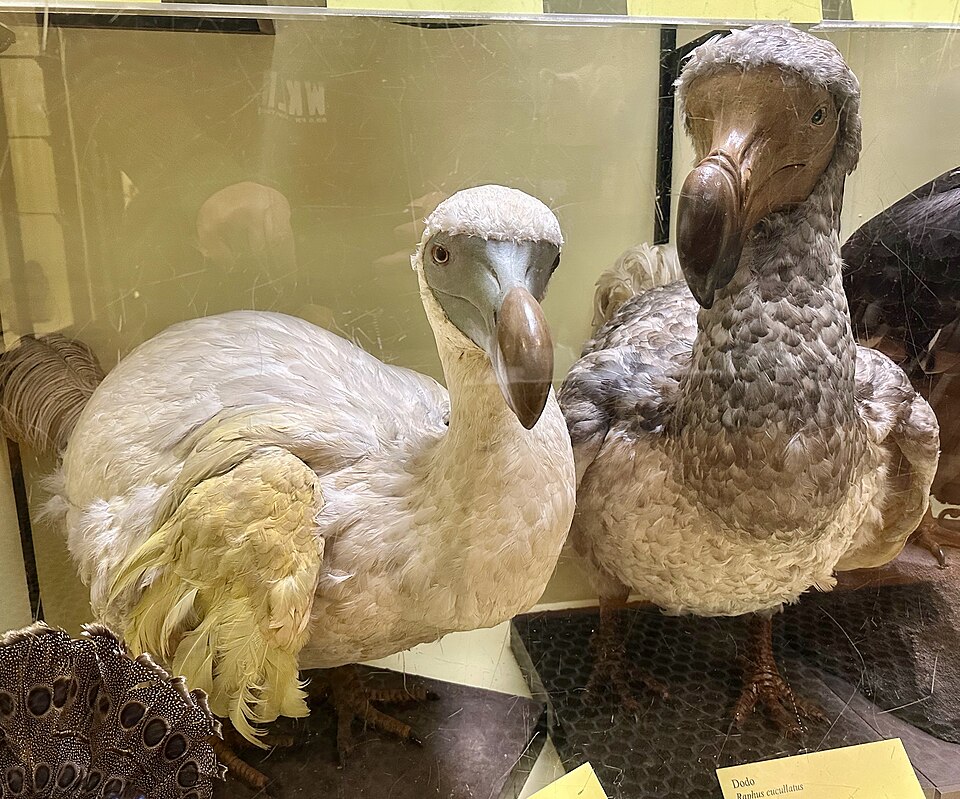
On May 19, 2026, Dallas-based Colossal Biosciences announced it successfully hatched 26 live chicks from fully artificial eggs. The company built a reusable titanium egg lined with a bioengineered membrane that replicates natural oxygen transfer. This breakthrough puts Colossal on track to revive the dodo within 4–5 years by gene-editing cells from the Nicobar pigeon, the dodo's closest living relative. Moas could follow by the early 2030s.
I spent Monday evening reading through every detail of Colossal's announcement, and I'll be honest: part of me felt like I was reading science fiction. A titanium egg that grows a living bird inside it. A roadmap to bring back one of history's most iconic extinct animals. It sounds wild — because it is. But the data behind it is real, and the implications deserve a hard look beyond the headline hype.
How Does the Colossal Biosciences Artificial Egg Actually Work?
The artificial egg is not a simple incubation chamber. Colossal engineered a reusable titanium shell — roughly the shape and size of a large bird egg — lined with a bioengineered membrane designed to mimic the gas exchange properties of a natural eggshell. In a normal egg, the shell is porous enough to let oxygen in and carbon dioxide out while keeping the embryo protected. Colossal's synthetic membrane replicates this oxygen transfer with enough precision that embryos develop normally inside the metal casing.
The result: 26 live chicks hatched from these artificial eggs. That's not a proof-of-concept sketch on a whiteboard — it's living, breathing animals produced without a biological eggshell. The eggs are reusable, which matters enormously for scaling the technology. You don't need a surrogate mother bird to lay each egg. You need a titanium shell, a membrane, and the right embryonic material.
Why the Nicobar Pigeon Is the Key to Dodo Revival
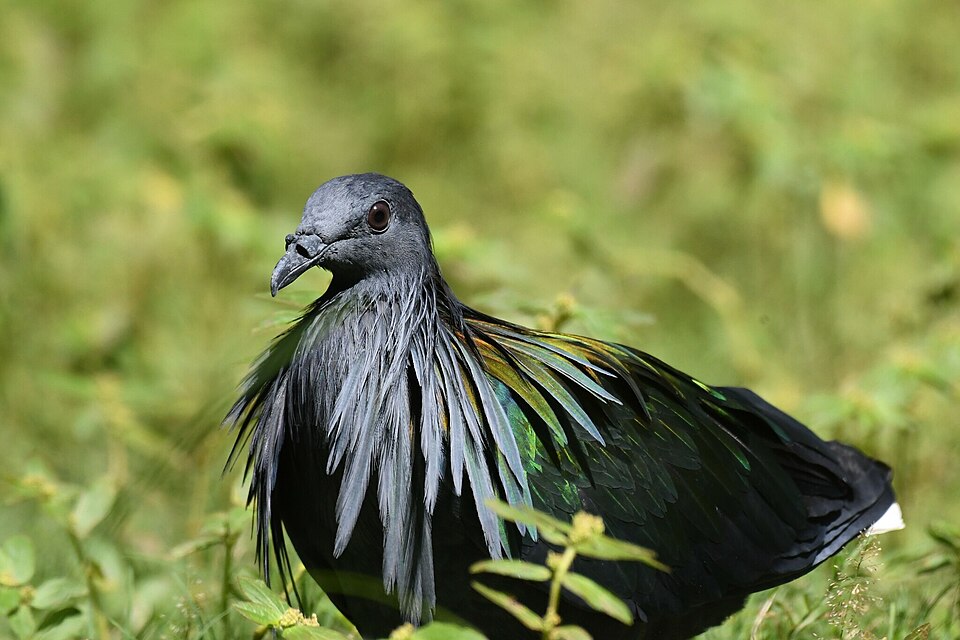
The dodo (Raphus cucullatus) went extinct in the late 17th century on Mauritius. Its closest living genetic relative is the Nicobar pigeon (Caloenas nicobarica), a strikingly colorful bird found across Southeast Asian islands. Colossal's plan is to take Nicobar pigeon cells, gene-edit them to express dodo-like traits — body size, skull shape, flightlessness, beak morphology — and then grow the modified embryos inside the artificial eggs.
The artificial egg is critical here because Nicobar pigeons are far too small to incubate a dodo-sized embryo. Without a synthetic shell capable of supporting a much larger bird, the gene-editing breakthroughs would have nowhere to go. The titanium egg removes the surrogate-mother bottleneck entirely. I think it is the most underrated part of this announcement — everyone is talking about the dodo, but the egg technology is what unlocks the entire pipeline.
What Colossal's De-Extinction Timeline Actually Looks Like
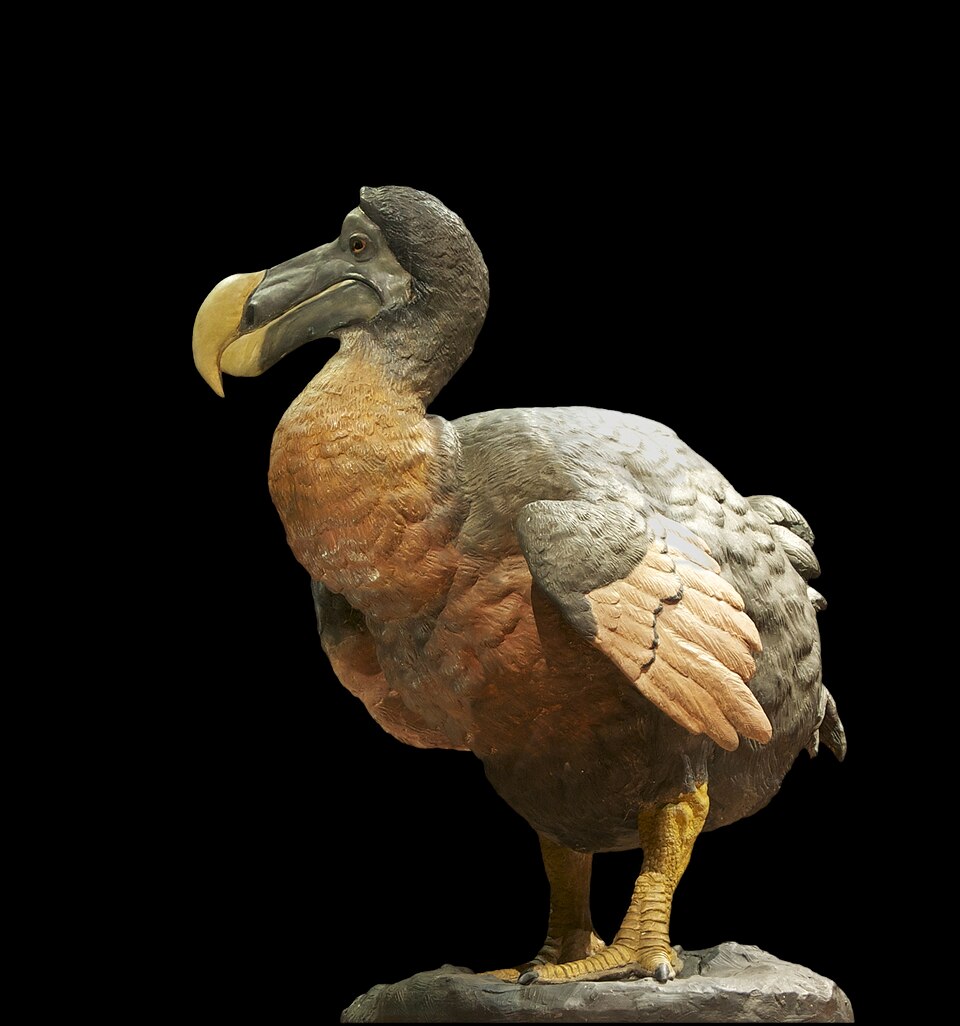
Colossal has laid out an aggressive but structured timeline. The moa — a giant flightless bird from New Zealand — could return by the early 2030s, since its genetic blueprint is relatively well-preserved and the artificial egg technology is already proven for large avian embryos. The dodo is projected within 4 to 5 years, roughly 2031, because the Nicobar pigeon genome is well-sequenced and the gene-editing targets are increasingly understood.
These timelines depend on continued success with the artificial egg platform and advances in avian gene editing. Colossal's track record so far suggests they hit milestones faster than skeptics expect — but biology has a way of throwing curveballs. I'd watch the next 12 months closely for follow-up announcements about embryo viability at larger sizes.
Is This Really De-Extinction or Just Genetic Engineering in Disguise?
This is where the conversation gets uncomfortable, and honestly, it should. Critics have a legitimate point: what Colossal is doing isn't resurrecting a dodo from preserved DNA. It's taking a living species — the Nicobar pigeon — and editing its genome to produce an animal that looks and behaves like a dodo. The resulting bird would be a genetically modified Nicobar pigeon, not a dodo in any strict taxonomic sense.
That distinction matters. A gene-edited proxy species doesn't carry the full genetic diversity of the original. It won't have the same immune history, the same microbiome relationships, or the same behavioral repertoire shaped by millennia of island ecology on Mauritius. You can make something that resembles a dodo. Whether it is a dodo is a philosophical and scientific question that Colossal hasn't fully answered.
I've followed de-extinction debates since the first serious woolly mammoth proposals, and my take remains the same: the technology is extraordinary, but the framing is often misleading. "Bringing back the dodo" is a spectacular fundraising pitch. "Creating a dodo-like bird from an edited pigeon genome" is closer to what's actually happening. Both can be true simultaneously — the question is which framing drives better decision-making.
The Ecological and Ethical Risks Nobody Wants to Talk About
Beyond the taxonomy debate, there are practical concerns that deserve attention. First, animal welfare: gene-edited embryos may develop abnormalities. Not every hatch will be healthy, and scaling this technology means scaling the number of animals that could suffer during development. Colossal hasn't published detailed data on the health outcomes of all 26 chicks, and that transparency gap is notable.
Second, habitat. The dodo evolved on Mauritius in the absence of predators. Modern Mauritius has rats, cats, monkeys, and human development. Releasing dodo-like birds into that environment without a massive habitat restoration effort would likely end the same way it did the first time. Colossal has mentioned habitat partnerships but has released few specifics.
Third, ecological unpredictability. Reintroducing a large bird into an island ecosystem that has adapted to its absence for 350 years is not a neutral act. It could displace existing species, alter plant dispersal patterns, or introduce unforeseen competition dynamics. The parallels to unexpected outcomes in competitive systems are worth considering — the more variables you introduce, the harder the results are to predict.
Conservation funding is the quieter concern. Every dollar spent on de-extinction is a dollar not spent on saving the thousands of species currently sliding toward extinction. I've seen this argument dismissed as a false dichotomy, but when you look at actual conservation budgets, the competition for funding is real. Colossal's high-profile work generates attention — whether that attention translates into broader conservation support or just siphons it remains an open question. For those curious about how media cycles drive attention to different stories, the recent surge of interest around cultural comebacks shows the same pattern: spectacle attracts eyeballs, but sustained impact requires follow-through.
Frequently Asked Questions
How did Colossal Biosciences hatch chicks from artificial eggs?
Colossal built a reusable titanium egg lined with a bioengineered membrane that mimics the oxygen transfer of a natural eggshell. Embryos develop inside this synthetic shell, and 26 live chicks successfully hatched from the artificial eggs.
When will Colossal Biosciences revive the dodo?
Colossal targets approximately 2031 for the dodo revival, roughly 4 to 5 years from now. The company plans to gene-edit Nicobar pigeon cells and grow the modified embryos in artificial eggs.
What is the Nicobar pigeon's connection to the dodo?
The Nicobar pigeon (Caloenas nicobarica) is the dodo's closest living genetic relative. Colossal plans to edit its genome to express dodo-like traits such as body size, skull shape, and flightlessness.
What are the main criticisms of Colossal's de-extinction work?
Critics argue this is genetic engineering of existing species rather than true revival. Concerns include potential animal suffering during development, destroyed habitats that no longer support these species, and unpredictable ecological impacts of reintroduction.
Could Colossal Biosciences also bring back the moa?
Yes. Colossal has indicated moas could return by the early 2030s. The artificial egg technology is a critical enabler since many extinct birds are too large to be incubated by any existing living surrogate species.