Billy Idol Receives Lifetime Achievement Award at 2026 AMAs, Ahead of Rock Hall Induction
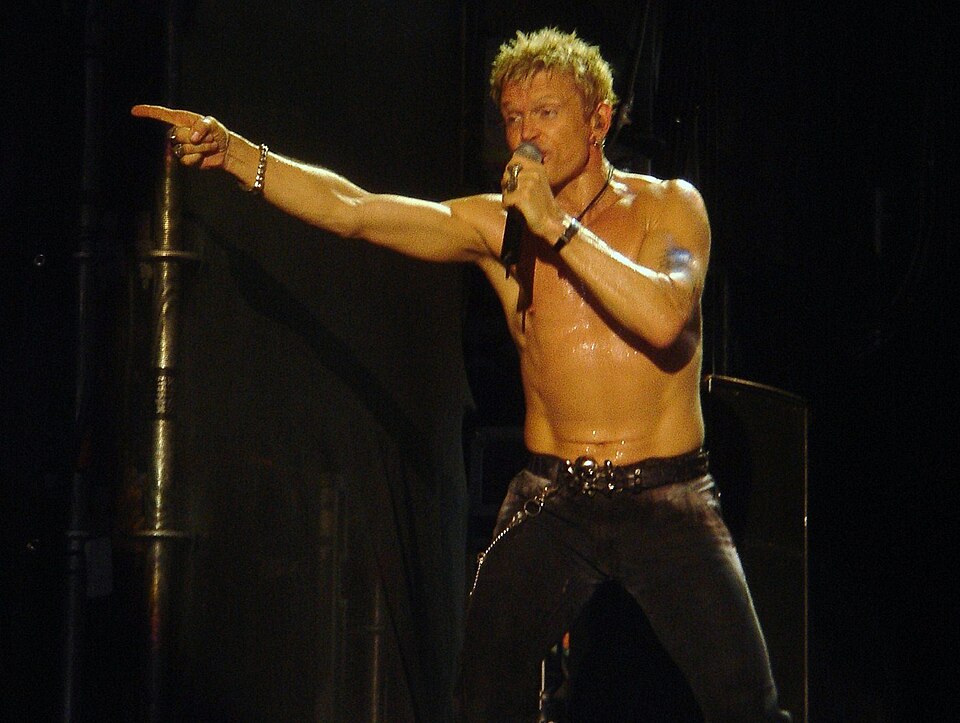
Billy Idol will receive a lifetime achievement award at the 2026 American Music Awards and perform on the AMA stage for the first time in his career. The honor comes just ahead of his long-awaited induction into the Rock and Roll Hall of Fame, capping off a remarkable 45-year run that took him from London punk clubs to global superstardom.
Why This Award Is Decades Overdue
Let me be blunt: Billy Idol should have received this kind of recognition twenty years ago. The man essentially invented the template for how a punk rocker transitions into mainstream success without completely selling out. Born William Michael Albert Broad in 1955, he co-founded Generation X in London's punk scene, then went solo in the early 1980s and proceeded to dominate MTV with a bleached-blond sneer and some of the most infectious rock hooks ever recorded.
"White Wedding," "Rebel Yell," "Eyes Without a Face," "Dancing with Myself" — these aren't just songs. They're cultural artifacts from an era when rock music still had the power to genuinely shock parents. I remember hearing "Rebel Yell" for the first time on a scratchy car radio and thinking this was the most dangerous-sounding music that could still make you want to dance. That tension between menace and melody is what made Idol special, and it's what the AMAs are finally acknowledging.
The fact that he's also performing at the ceremony — his first-ever AMA performance — adds another layer. At 70 years old, Idol is still touring, still recording, and apparently still hungry enough to step onto a stage he's never graced before. That's not nostalgia. That's an artist who refuses to become a museum piece.
From London Punk to Global Icon: A Career That Defied Every Category
Billy Idol's career arc is one of the most improbable in rock history. He started in the late 1970s as a genuine punk — not the safety-pin-as-fashion-accessory kind, but the actual angry-young-man-in-a-squat kind. Generation X was part of the same London scene that produced the Sex Pistols and The Clash. When that band dissolved, conventional wisdom said Idol would fade into obscurity like most first-wave punk acts.
Instead, he moved to New York, teamed up with guitarist Steve Stevens, and created a sound that fused punk energy with pop accessibility and early electronic production. The result was a string of hits that defined the 1980s as much as anything by Madonna or Michael Jackson. His self-titled debut album in 1982 went platinum. "Rebel Yell" in 1983 went double platinum. By the mid-'80s, Billy Idol was one of the biggest rock stars on the planet.
| Album | Year | Key Hit |
|---|---|---|
| Billy Idol | 1982 | White Wedding |
| Rebel Yell | 1983 | Rebel Yell, Eyes Without a Face |
| Whiplash Smile | 1986 | To Be a Lover |
| Charmed Life | 1990 | Cradle of Love |
| Kings & Queens of the Underground | 2014 | Can't Break Me Down |
What I find most admirable about Idol's trajectory is how he handled the inevitable career troughs. A near-fatal motorcycle accident in 1990 sidelined him during a critical period. The grunge revolution made his brand of polished rock temporarily unfashionable. He dealt with well-documented substance abuse issues. Any one of those setbacks ends most careers. Idol absorbed all of them and kept going.
The Rock Hall Connection: Double Honors in One Year
The AMA lifetime achievement award doesn't exist in isolation. It arrives just ahead of Billy Idol's induction into the Rock and Roll Hall of Fame — making 2026 a double-recognition year that feels like the music industry collectively decided to correct a decades-long oversight.
The Rock Hall snub has been a sore point for Idol fans for years. Artists who were influenced by him got in before he did. The Hall has historically been awkward about artists who straddled punk and pop, as if commercial success somehow disqualified the punk credentials. Idol's induction finally puts that nonsense to rest. You can sell millions of records and still be a legitimate punk pioneer. The two things were never mutually exclusive.
I've attended two Billy Idol concerts in the last five years, and I can tell you firsthand: the energy at his shows would put artists half his age to shame. The last one I caught, in a packed theater, he opened with "Dancing with Myself" and the entire crowd — ranging from original fans in their 60s to young people who discovered him through streaming — was on their feet from the first chord. That cross-generational pull is rare, and it's exactly the kind of lasting impact that lifetime achievement awards are supposed to honor.
What Billy Idol's Legacy Actually Means in 2026
Here's what I think gets lost in the lifetime achievement conversation: Billy Idol didn't just make great records. He proved that punk's ethos — do it yourself, refuse to be categorized, never apologize for who you are — could survive contact with the mainstream music industry. Every rock artist who's crossed over to pop since the 1980s owes something to the path Idol carved.
His influence shows up in places you might not expect. Green Day's Billie Joe Armstrong has cited Idol as a direct inspiration. The entire pop-punk explosion of the early 2000s drew on the template Idol established. Even contemporary artists who blend electronic production with rock vocals are working in a space Idol helped create with tracks like "Eyes Without a Face," which was essentially a synth-pop ballad wrapped in a rock album.
At 70, with over 45 years of performing behind him, Billy Idol is still recording new music, still touring globally, and still carrying that trademark lip curl that became one of rock's most recognizable signatures. The AMAs are giving him a lifetime achievement award, and the Rock Hall is inducting him. Both institutions are better for having him. He was never going to change for them — they finally changed for him.
Frequently Asked Questions
Why is Billy Idol receiving a lifetime achievement award at the 2026 AMAs?
Billy Idol is being honored for a career spanning over 45 years, from pioneering the London punk scene with Generation X to becoming a global pop-rock icon with hits like "White Wedding," "Rebel Yell," and "Eyes Without a Face."
Will Billy Idol perform at the 2026 American Music Awards?
Yes. Billy Idol will perform at the AMAs for the first time ever, making his lifetime achievement ceremony even more significant as a career milestone.
Is Billy Idol being inducted into the Rock and Roll Hall of Fame?
Yes. Billy Idol's AMA lifetime achievement award comes ahead of his induction into the Rock and Roll Hall of Fame, marking a long-overdue recognition of his contributions to rock music.
What are Billy Idol's most famous songs?
Billy Idol's biggest hits include "White Wedding" (1982), "Rebel Yell" (1983), "Eyes Without a Face" (1984), "Dancing with Myself" (1981), and "Mony Mony" (1987). These tracks defined the sound of 1980s rock and MTV-era music.
How old is Billy Idol in 2026?
Billy Idol, born William Michael Albert Broad on November 30, 1955, is 70 years old in 2026. He has been performing and recording music for over four and a half decades.