Best Fantasy TV Shows of All Time: The Definitive 2026 Ranked Guide
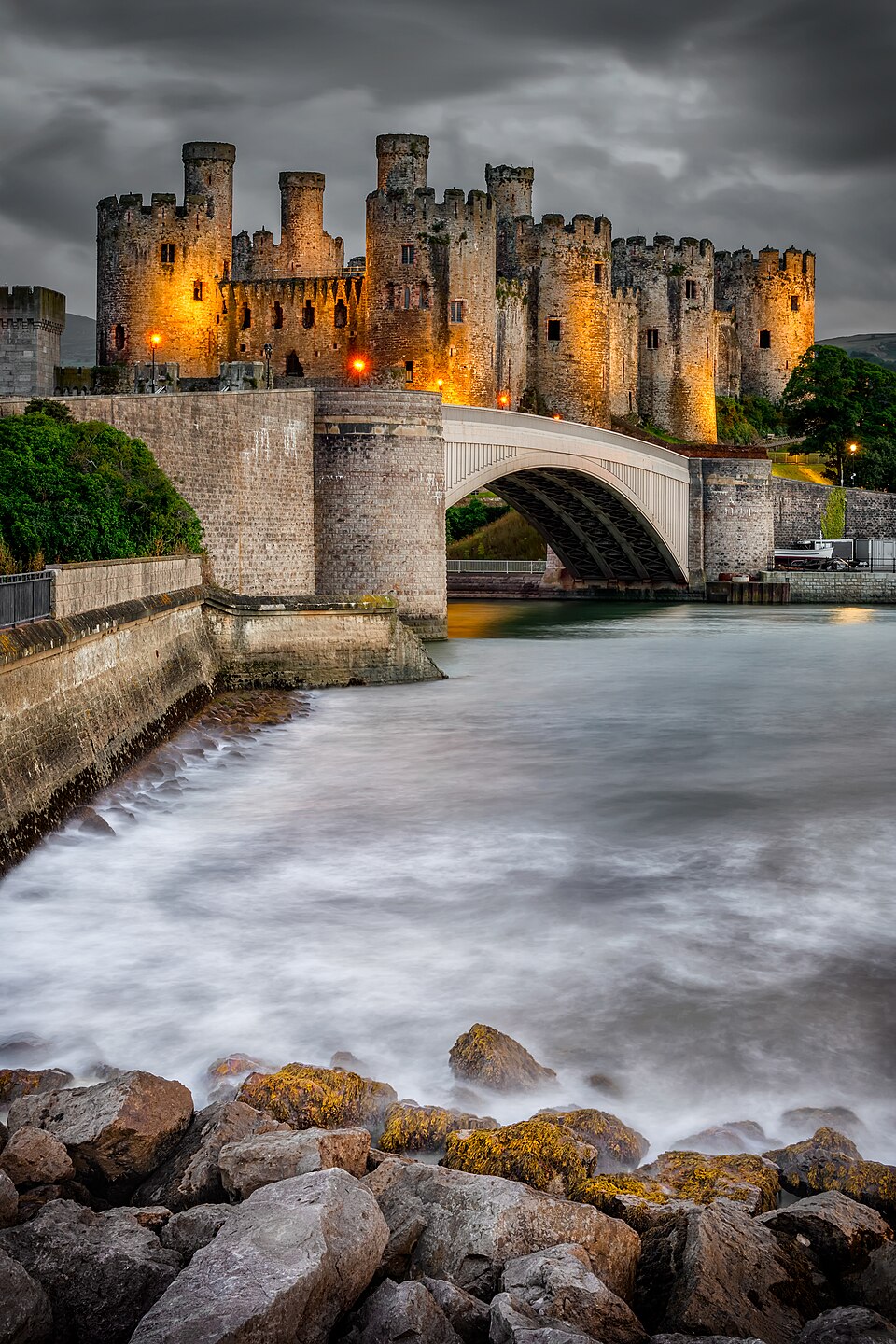
The best fantasy TV shows combine world-building with genuine human stakes — not just impressive production design, but characters you'd grieve if they died and political systems that feel like they have actual weight. By that measure, Game of Thrones (seasons 1–6) remains the undisputed peak, with House of the Dragon, Arcane, and The Sandman forming the current elite tier. This guide ranks the essential shows, cuts through the overhyped, and tells you exactly what's worth your time in 2026.
What Makes a Great Fantasy TV Show?
Ask ten critics and you'll get ten different answers, but after spending an embarrassing number of hours watching fantasy television — I'm talking multiple full rewatches of series I have complicated feelings about — I've landed on three criteria that separate genuinely great fantasy from expensive-looking mediocrity.
First: the world has to have consequence. Actions need to carry cost. When a character betrays an ally or burns a city, the story has to reckon with that. Fantasy that treats its world like a backdrop for cool set pieces always feels hollow by season two.
Second: the characters need to be comprehensible even when they're wrong. I can follow a character making catastrophically bad decisions — Cersei Lannister built a career on it — as long as I understand the internal logic driving those decisions. The moment characters become puppets of plot, the show loses me.
Third: the fantasy elements have to mean something thematically. Dragons in House of the Dragon aren't just cool CGI — they're weapons of mass destruction that make their owners both powerful and vulnerable. Magic in The Sandman isn't decoration; it's the language the show uses to talk about stories and belief and mortality. When the genre elements are doing thematic work, you have something that deserves the time investment.
With that framework established, here's where every major fantasy series currently stands.
The Full Ranking Table
| Show | Network | Seasons | IMDb | Verdict |
|---|---|---|---|---|
| Game of Thrones | HBO | 8 | 9.2 | The gold standard (S1–6) |
| House of the Dragon | HBO | 3+ | 8.4 | Best current fantasy |
| Arcane | Netflix | 2 | 9.0 | Animation excellence |
| The Sandman | Netflix | 1+ | 7.8 | Underrated gem |
| The Witcher | Netflix | 3 | 8.1 | Flawed but thrilling |
| Rings of Power | Prime Video | 2 | 6.9 | Beautiful but slow |
| Wheel of Time | Prime Video | 3 | 7.1 | Solid if you commit |
S-Tier: The Absolute Best Fantasy TV
Game of Thrones S-Tier
Seasons 1 through 6 of Game of Thrones represent the high watermark of prestige fantasy television. The Red Wedding (Season 3, Episode 9 — "The Rains of Castamere") remains the single most shocking hour of genre television I've ever watched, and it works because the show spent three seasons making you believe the Stark family was protected by the logic of the story. When that protection evaporated, it changed how viewers related to the show permanently.
The show's willingness to kill significant characters — not as a stunt, but as the logical outcome of the world it built — redefined what fantasy drama could do. Ned Stark in Season 1 was a declaration of intent: this world doesn't have plot armor, even for protagonists. That earned the series a level of audience trust it largely honored through "The Battle of the Bastards."
I'm not going to pretend Seasons 7 and 8 didn't happen. They did, and they damaged the legacy. But even accounting for the finale, the first six seasons earn a place at the top of any honest ranking.
House of the Dragon S-Tier
House of the Dragon Season 1 arrived as a genuine surprise — not because anyone doubted the production values, but because it solved Game of Thrones' structural problem from the start. By limiting the scope to a single dynastic conflict and a defined cast of characters with comprehensible motivations, the show avoided the sprawl that made GOT's later seasons collapse. Rhaenyra and Alicent's fractured friendship gave the civil war an emotional core that pure political plotting rarely achieves.
Season 2 had pacing issues — the middle section dragged in ways that tested patience — but the character work remained strong throughout, and the finale delivered on every promise the season made. Season 3 (premiering June 21) should be where both seasons' investment pays off. Read our House of the Dragon Season 3 preview for everything we know about the upcoming season.
Arcane S-Tier
Arcane is an anomaly: an animated series based on a video game that transcends both categories entirely. Built on the League of Legends universe but requiring zero familiarity with the game, it tells the story of Vi and Jinx — sisters separated by revolution, poverty, and irreconcilable choices — against a backdrop of class conflict between Piltover's gleaming upper city and the Undercity's industrial despair.
The animation style, developed by Fortiche Production, is unlike anything currently on television. Episode 3 of Season 1 — the montage sequence that shows the girls' lives over several years — is one of the most technically and emotionally accomplished sequences in animated television history. If you've dismissed it because of the gaming connection, you're making a mistake. This is the show that proves animation has no ceiling.
The Sandman S-Tier
The Sandman's 7.8 IMDb rating undersells it significantly — a function of the show's unconventional structure (anthology-style within a larger narrative) confusing viewers expecting traditional fantasy. Neil Gaiman's source material spent thirty years being called "unadaptable," and the Netflix version answered that argument definitively: it's not unadaptable, it just requires unusual storytelling confidence.
Episode 6 ("The Sound of Her Wings") is a standalone hour that follows Death as she collects souls across a single day. It has almost no action, no spectacle, no plot momentum in the conventional sense. It is, quite possibly, the best single episode of fantasy television made in the last decade. Tom Sturridge as Dream and Kirby Howell-Baptiste as Death anchor a series that treats genre conventions as options rather than obligations.
A-Tier: Solid Picks — Great But Not Legendary
The Witcher A-Tier
Henry Cavill's Geralt was genuinely compelling television — the character's sardonic detachment worked against the show's melodrama in ways that created interesting friction. The non-linear storytelling of Season 1 was either its biggest strength or its most alienating feature depending on your tolerance for puzzle-box structure. Liam Hemsworth's recasting in Season 4 is a legitimate wildcard; the show has enough world-building and supporting character work to survive the transition, but it's a significant ask. Worth watching from the beginning regardless.
Shadow and Bone A-Tier
Cancelled before it could resolve its storylines, which makes recommending it painful — but both seasons are genuinely enjoyable YA fantasy with stronger character work than the genre usually delivers. The Crows (Kaz, Inej, and Jesper) were the show's breakout element and deserved their own spinoff. Leigh Bardugo's Grishaverse is rich enough to reward time spent in it even without a resolution.
Wheel of Time A-Tier
Robert Jordan's fourteen-book series is the Everest of epic fantasy adaptation challenges, and Prime Video's version has handled it with more competence than anyone expected and less ambition than the source material deserved. Season 3 marked a genuine improvement in storytelling confidence. If you're willing to commit to the world's rules and its large ensemble, the payoff accumulates. If you're not a patient viewer, start elsewhere.
Hidden Gems Worth Your Time
The Rings of Power (Prime Video, Season 2) — I know the rating suggests otherwise, but Season 2 fixed enough of Season 1's structural problems that it deserves a second look. The Sauron storyline finally delivered on its promise, and Galadriel's arc found the weight it needed. If you bounced off Season 1's glacial pace, episodes 4–8 of Season 2 are a different proposition entirely.
Carnival Row (Prime Video) — Underperformed commercially, but the Amazon noir-fantasy series with Orlando Bloom and Cara Delevingne built a genuinely original world: Victorian-era urban fantasy with colonialism and immigration as its central metaphors. Two seasons, complete story. Worth a weekend.
Jonathan Strange & Mr Norrell (BBC) — A 2015 miniseries that remains the most elegant literary fantasy adaptation ever made. Seven episodes, based on Susanna Clarke's novel, set in Napoleonic-era England where magic has returned. Quietly extraordinary.
What's Coming in 2026: The Fantasy TV Calendar
The immediate headline is House of the Dragon Season 3 (June 21, HBO/Max) — see our full Season 3 preview for everything confirmed so far. Early festival buzz from the Taormina Film Festival premiere has been genuinely enthusiastic, with reviewers citing this as the strongest season of the series. Eight episodes through August 9.
For context on the wider cultural calendar this summer — including major events where fantasy TV will be heavily promoted — our Michael Jackson biopic guide covers the entertainment landscape heading into the second half of 2026.
The Witcher Season 4 (with Liam Hemsworth) is expected to arrive in late 2026, making this a landmark year for fantasy streaming regardless of how Season 3 of HotD lands.
Frequently Asked Questions
What is the #1 best fantasy TV show of all time?
Game of Thrones, specifically seasons 1–6. Its combination of political complexity, genuine character stakes, and production scale set a benchmark the genre is still chasing. The final two seasons are a legitimate grievance, but they don't erase what came before.
Is House of the Dragon better than Game of Thrones?
Different, but Season 1 of HotD is arguably more consistently written than Game of Thrones across its full run. GOT at its peak (episodes like "Hardhome" or "The Battle of the Bastards") reaches heights HotD hasn't yet matched — but HotD has never produced anything as disappointing as GOT's final season.
What fantasy shows can I watch on Netflix in 2026?
The Witcher, Arcane, The Sandman, and Shadow and Bone are all available on Netflix. Arcane is the strongest recommendation for newcomers to the genre; The Sandman for book readers and literary-minded viewers.
Is The Rings of Power worth watching?
Yes, if you love Middle-earth lore — but temper expectations relative to Peter Jackson's films. Season 2 improved significantly on Season 1's pacing problems. The production design is genuinely extraordinary. Commit to it as a slow burn rather than expecting GOT-style momentum.
What's the best new fantasy show in 2026?
House of the Dragon Season 3, premiering June 21 on HBO and Max. Festival buzz from the exclusive Taormina Film Festival premiere has been the most positive reception the show has received since Season 1.
Is there a fantasy show suitable for non-fantasy fans?
Arcane on Netflix — it functions entirely as a story about family, class inequality, and the cost of ambition. You don't need to know anything about League of Legends. The animation style is unlike anything else on television, and both seasons are complete and available now.